Start with geometry: approach, platform height, and footprint
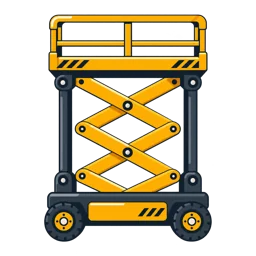
- Can the machine sit directly under the work? Scissor lifts travel straight up; they suit tasks with vertical access and limited outreach needs.
- What platform height is required? Interior maintenance in tall bays often stays within moderate slab heights, while exterior façade or steel work may call for larger frames outdoors.
- How tight is the aisle or doorway? Measure doorway clearances, mezzanine thresholds, and turning aisles in local distribution buildings before settling on a frame size.
Local conditions that change the comparison
- Regional climate: Rapid weather shifts and frequent winds around the Front Range mean outdoor scissor lifts must align with the selected unit’s wind rating and the site’s procedures. Calm mornings can turn gusty; plan for pauses.
- Terrain mix: Industrial sites on graded fill or utility corridors can be uneven, steering you to rough-terrain scissor lifts. Level, finished slabs in warehouses and technical spaces typically favor electric scissor lifts.
- Sensitive facilities: High-security interiors often limit emissions and noise, pushing toward electric models with non-marking tires and compact footprints.
Electric vs. rough-terrain in Colorado Springs
- Electric scissor lifts: Best on smooth, level slabs with clear overhead geometry. Common in logistics buildings and controlled industrial interiors. Quiet operation and no on-site exhaust are typical advantages.
- Rough-terrain scissor lifts: Built for unfinished or varied ground, exterior construction, and staging areas where slab-on-grade isn’t finished. Larger tires and higher ground clearance address jobsite irregularities.
When a scissor lift isn’t the right fit
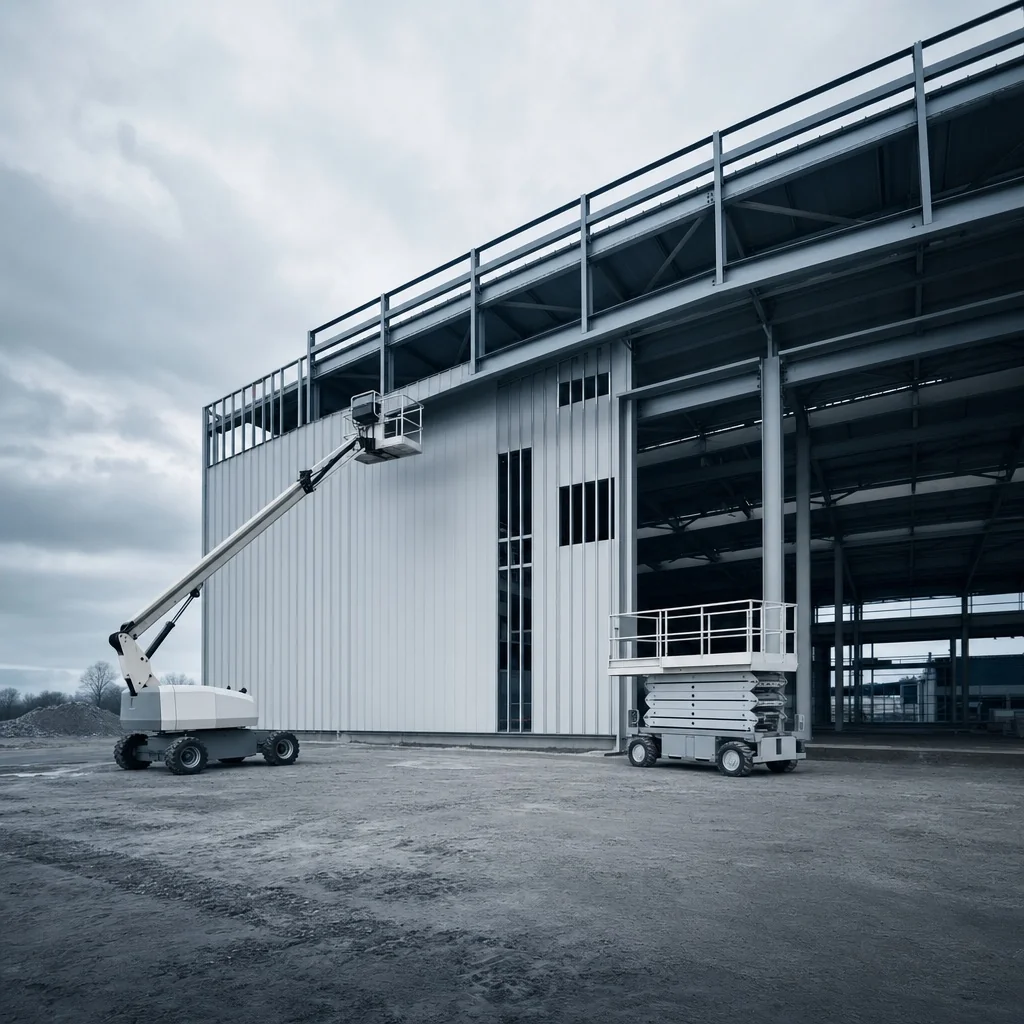
If the machine cannot sit beneath the task or obstacles block a straight vertical path, a boom lift may be more efficient. Compare options at /aerial-lift-rental/ or go directly to /boom-lift-rental/ for articulating vs. telescopic considerations.
Nearby work areas
Projects in Fountain, Monument, Falcon, Manitou Springs, and Security-Widefield often mirror Colorado Springs conditions: windy exteriors, mixed grades outside, and quiet zero-emission needs inside.
Related comparisons
- For slab work: /electric-scissor-lift-rental/
- For exterior or uneven ground: /rough-terrain-scissor-lift-rental/
- For outreach around obstacles: /aerial-lift-rental/ and /boom-lift-rental/
For planning calls or questions: (719) 284-2567 and coloradospringsscissorliftrental.com.