Job geometry on unfinished ground
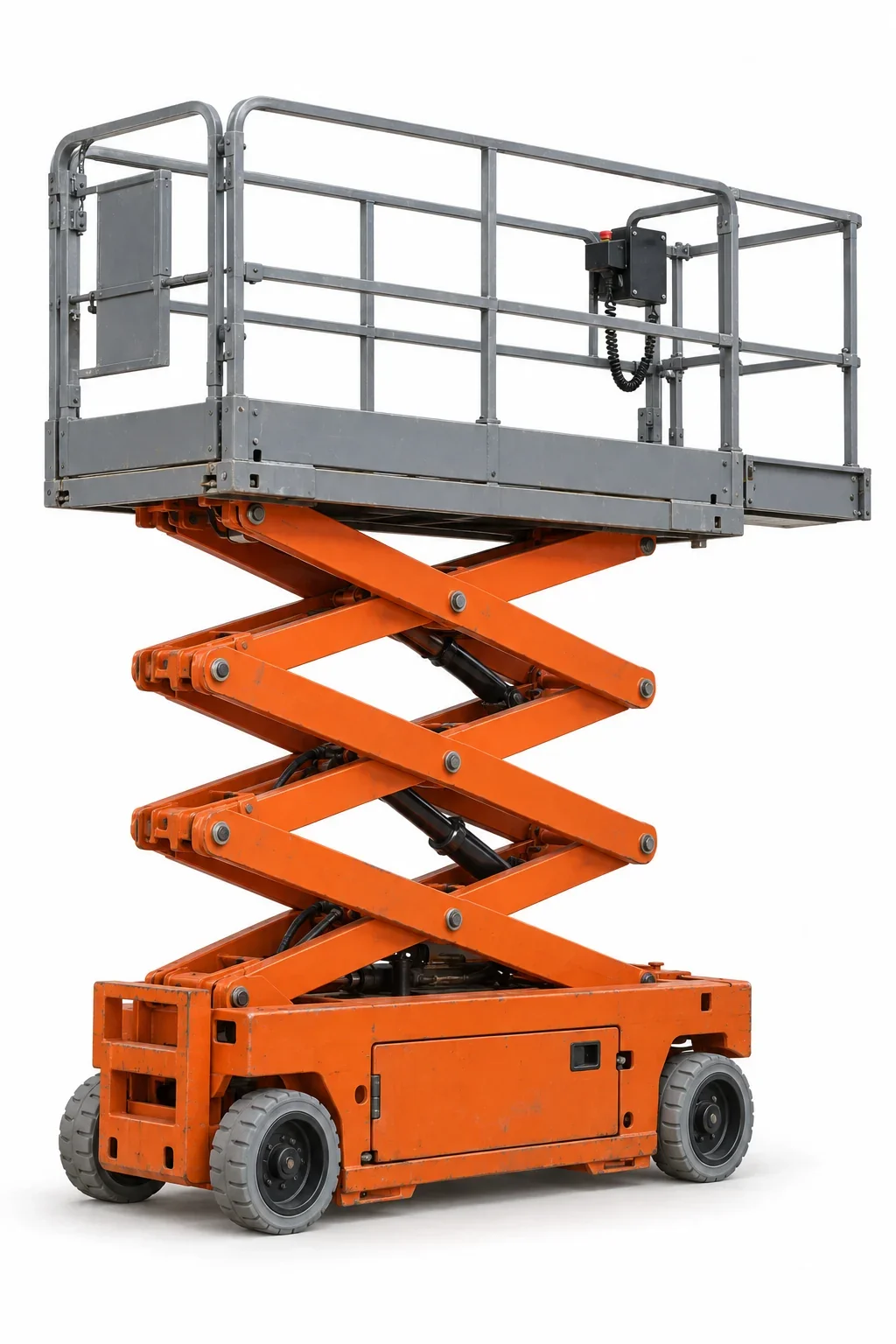
- Can the lift park under the work without outriggers crossing voids or soft spots? The platform travels straight up, so the base must sit square below the task.
- How far is the approach from stable access roads? Wider frames need more room to turn; plan staging and refueling locations accordingly per site rules.
- What obstacles exist at ground level? Stockpiles, rebar bundles, and drainage swales limit where a scissor base can stand.
Colorado Springs conditions that matter outdoors
- Wind variability: The regional climate can swing quickly. Outdoor use must align with the selected unit’s wind specification and the site’s procedures.
- Mixed terrain: From compacted fill to gravel and ruts, ground support changes across a single jobsite. Rough-terrain models address these shifts better than slab units.
- Elevation and engine behavior: Internal combustion equipment can perform differently at higher elevations; consult the unit documentation for rated output and allowable loads.
Sizing the platform height
Exterior envelope, steel work, and signage often require taller platforms. Ensure the unit’s platform height covers the working elevation with allowance for tools and positioning. If the task is offset behind façade elements or structural steel, review boom options at /boom-lift-rental/.
When to consider alternatives
- Need horizontal reach around obstacles: See /aerial-lift-rental/ or /boom-lift-rental/.
- Interior slab work at nearby sites: /electric-scissor-lift-rental/ may be a better match for finished floors.
For planning in Colorado Springs: (719) 284-2567 and coloradospringsscissorliftrental.com.