Start with the load and the route
- Load weight, dimensions, and center of gravity.
- Aisle width, racking layout, and turning radii.
- Dock conditions: levelers, edge protection, and grade to the yard.
Match forklift type to Colorado Springs facilities
- Electric sit-down or stand-up units suit interior slab-on-grade with tight aisles and emissions sensitivity.
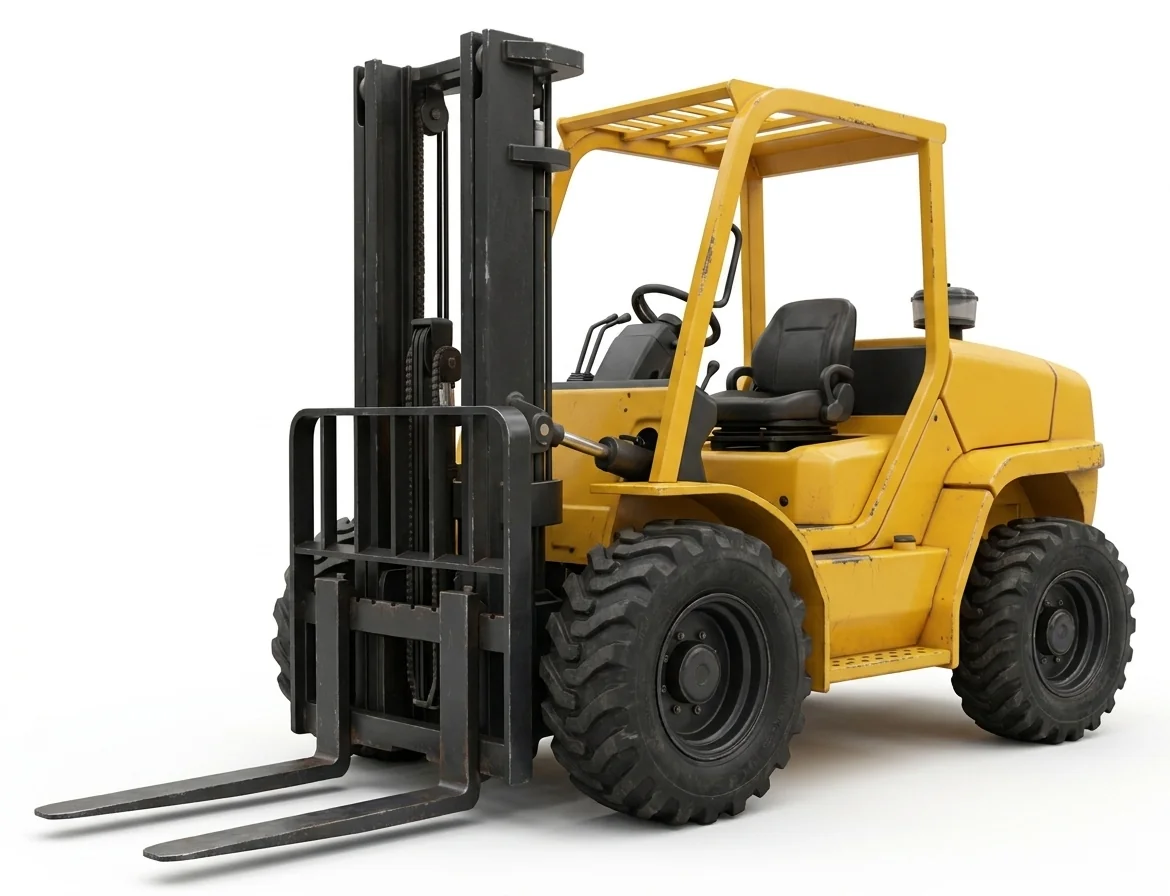
- Internal-combustion pneumatics handle mixed-surface yards and exterior staging where durability and ground clearance matter.
- Cushion-tire models fit smooth floors and narrow aisles in local distribution buildings.
Local considerations that affect selection
- Semi-arid climate and temperature swings can influence cold-start behavior outdoors; interior electric units support consistent operation on slabs.
- Security-controlled industrial spaces often require low-noise, low-emission machines and non-marking tires.
- Access from yard to dock may include transitions, drains, and slopes that change what a cushion-tire truck can handle.
Where forklifts fit, and what to compare
- For pallet handling on finished slabs: electric or cushion-tire units.
- For outdoor pallets, equipment crates, and irregular yards: pneumatic-tire combustion units.
- For elevated placement beyond mast reach: see /telehandler-rental/.
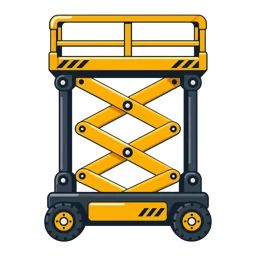
- For personnel at height: visit /vertical-mast-lift-rental/ or /electric-scissor-lift-rental/.
Work on docks, yards, or at elevation must follow actual conditions, selected unit instructions, and site procedures.
Keep the comparison specific
A useful equipment discussion starts with the work height, the practical machine position, the route into the area, the floor or ground along that route, and the people, tools, or material involved. Those details clarify whether vertical access, outreach, or material placement is the real constraint.