Define the reach window first
- Required platform height: measure the working elevation.
- Horizontal setback: how far must the chassis sit from the work face because of utilities, fencing, or no-go zones?
- Approach angle: can the boom align square to the task, or will you need to reach around a corner?
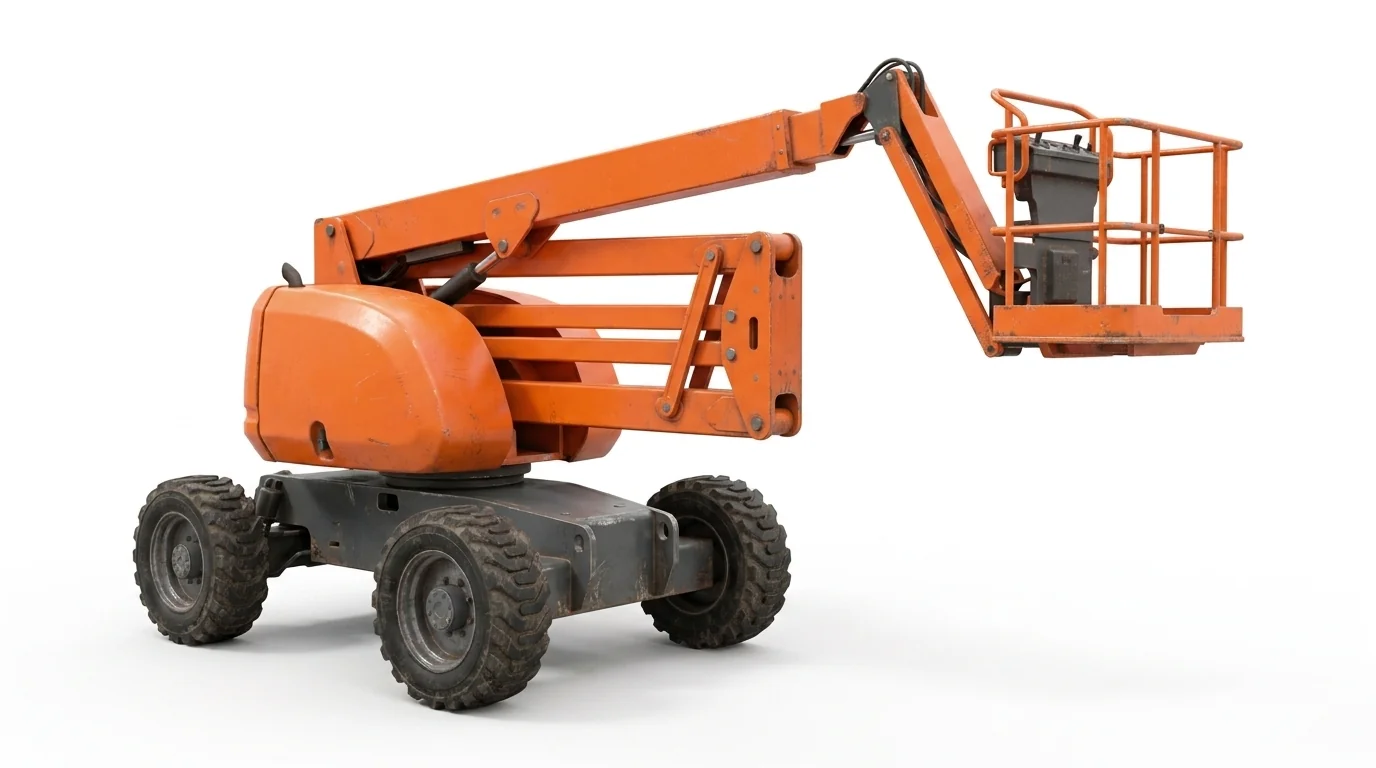
Straight booms excel when you can point directly at the job and need maximum horizontal reach without negotiating obstacles.
Regional conditions that affect selection
- Open sites along the Front Range experience gusty conditions. Wind ratings of the chosen model and site procedures govern exterior work.
- Graded yards and compacted aggregate pads call for rough-terrain capability; paved aprons near distribution docks may permit a smaller chassis.
- High-security industrial environments favor controlled emissions and predictable turning paths along approved routes.
Fit to the site and task
- Platform capacity: heavier tools or materials reduce available reach on some models; verify requirements before sizing.
- Transport and access: gate widths, slope transitions, and overhead lines can limit the path to setup.
- Surface condition: soft shoulders near retention areas may restrict outrigger or tire loading; confirm firm support.
Where telescopic booms work well locally
- Exterior cladding, signage, and lighting where you can stage on stable ground and reach straight to the work.
- Long-elevation maintenance on industrial buildings near the airport and other logistics hubs with wide staging zones.
- Tower and stack inspections on sites where clear swing radii are available.
Compare with other options
- If obstructions block a straight approach, see /articulating-boom-lift-rental/.
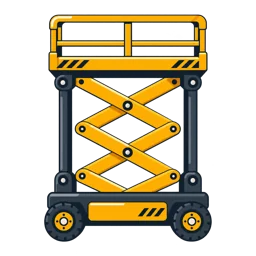
- For vertical slab work indoors with no outreach, consider /electric-scissor-lift-rental/.
- Explore broader categories at /boom-lift-rental/ and /aerial-lift-rental/.
Exterior and elevated work depends on actual site conditions, the selected unit’s instructions, and local procedures in changing weather.