What shapes equipment choices in Colorado Springs
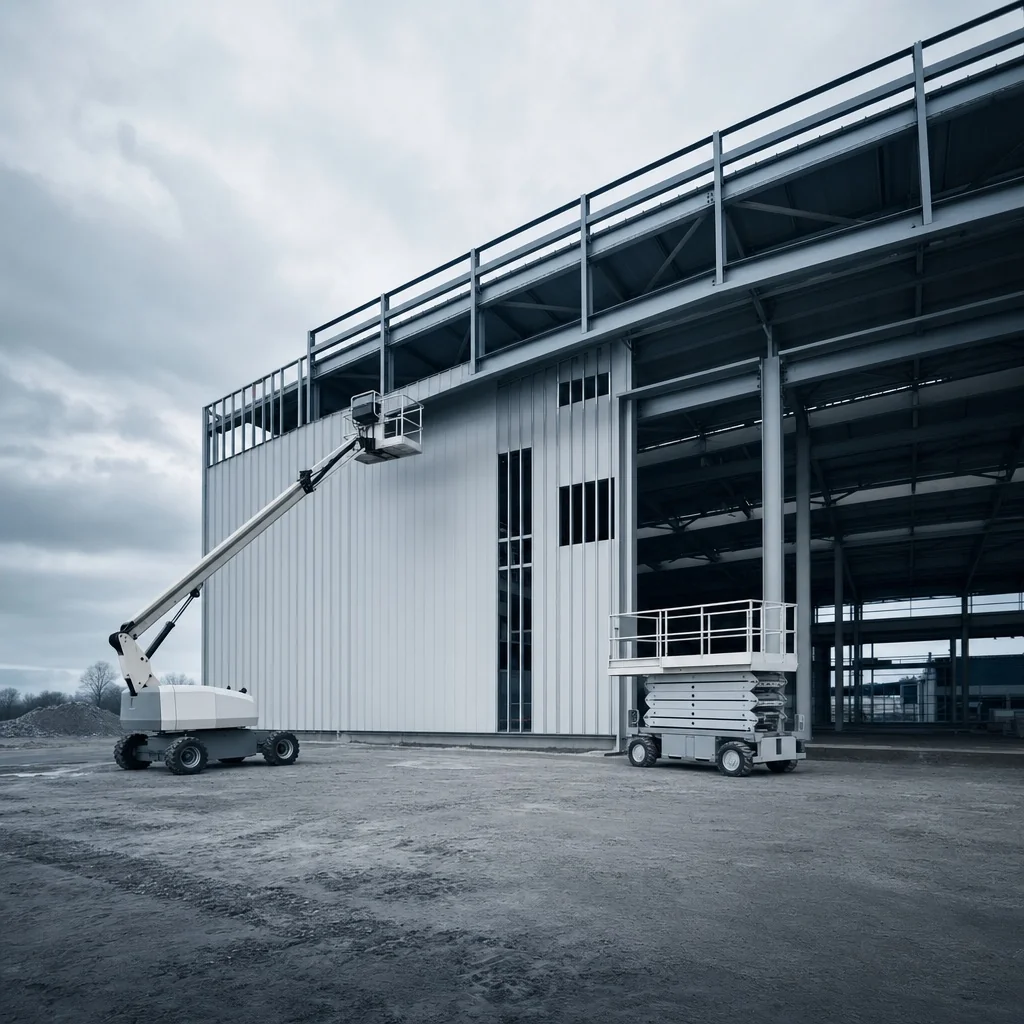
Job geometry comes first: platform height, outreach needs, and whether the machine can sit directly under the task. In Colorado Springs, the answer shifts with setting. Interior runs in local distribution buildings often call for compact electric scissor lifts sized to slab aisles, dock thresholds, and racking clearances. Exterior work on uneven ground leans toward rough-terrain scissor lifts or booms with higher ground clearance and wider wheelbase.
Climate and elevation considerations
Rapid temperature swings, frequent wind events, and the city’s elevation influence performance comparisons. For outdoor tasks, wind ratings and the site’s exposure matter as much as platform height. At elevation, internal-combustion machines can see changes in available power compared to sea level, which may guide the choice between smaller vs. larger displacement engines or alternative electric options for certain duty cycles.
Facility standards and access patterns
Sensitive aerospace and defense environments in the area often require clean, low-emission machines and careful floor load planning. That tends to favor electric scissors, vertical mast lifts, and compact booms that keep point loads within slab limits while fitting controlled-access corridors. Conversely, industrial sites along the corridor may prioritize speed across gravel or graded lots, pushing the decision toward rough-terrain units with higher step capabilities.
How this site is organized
- For slab interiors and compact aisles: see /electric-scissor-lift-rental/
- For uneven exterior work areas: see /rough-terrain-scissor-lift-rental/
- For up-and-over reach around obstacles: see /articulating-boom-lift-rental/ and /aerial-lift-rental/
- For straightforward high reach outdoors: see /telescopic-boom-lift-rental/
- For material placement at height: see /telehandler-rental/ and /forklift-rental/
- For spot access in tight facilities: see /vertical-mast-lift-rental/
- For site support: see /generators-light-towers-rental/, /storage-containers-rental/, and /temporary-fencing-barricades-rental/
How to use this resource
Each page starts with the task geometry, then adds Colorado Springs-specific constraints—wind exposure, elevation, slab vs. soil, and access control—to narrow the equipment category. When the job’s requirements don’t fit a single class, consider whether the work can be staged from multiple positions, or if up-and-over capability is essential.
For questions about page content or to suggest additions, visit /contact/.